Introduction:
Pakistan’s digital economy is moving quickly through 2026, with tens of millions who depend on mobile devices for communication, banking, schooling and online services. It is a controlled system to connect mobile SIM cards to authentic owners at the center of these digital connectivity centres, and that’s what SIM Database Pakistan. SIM Database is an exhaustively used term which brings ambiguity, confusion, hoax and frauds in the minds of a cell phone and computer user?
we are going to discus about the 10 secret a facts of Pakistan SIM database. Concentrating on structure, the law, its use and how it must be promoted. Knowing these facts are required for citizen, blogger and student digital use.
Facts about Structure, Legal Use & Public Knowledge:
There are following facts;
Fact 1: What is SIM Database in Pakistan?
SIM database is a record of all mobile SIMs registered in Pakistan. Every single SIM is legally connected to one verified human via biometric auth.
This database is:
1-Pakistan Telecommunication Authority (PTA) Controlled
2-Verified by NADRA
3-Operated by a few Mobile Operators (Jazz, Zong, Ufone, Telenor)
No more anonymous SIM card, mis-use is minimized and digital accountability is strengthened.
Fact 2: Objective of the SIM Data System
The SIM database was established to serve a range of national and public purposes:
1-Enhance national security
2-Prevent criminal and fraudulent activities
3-Stop anonymous SIM usage
4-Improve law enforcement investigations
5-Support digital e-gov and mobile services
Unregistered SIMs were often abused before biometric authentication. The system in place today was informed by yet is infinitely safer than that.
Fact 3: PTA’s Role in SIM Database Maintenance
SIM registration and usage is primarily regulated by the Pakistan Telecommunication Authority (PTA). PTA:
1-Sets SIM registration rules
2-A maximum number of SIMs per CNIC is placed on this practice.
3-Launches verification and re-verification campaigns
4-Protects consumer rights and privacy
Important legal note:
The personal data of SIM holder is not available to public at PTA. Websites offering SIM owner name, address or CNIC details are illegal.
Fact 4: NADRA and biometric verification system (BVS)
It is based on NADRA’s Biometric Verification System (BVS). SIM Database Pakistan Appeared. All SIM transactions are biometrically verified against NADRA records.
This system ensures:
1-One man, one verified identity
2-Fake or multiple registrations are filtered out
3-Strong bond between the CNIC and mobile numbers
Biometric verification applies to:
1-New SIM issuance
2-SIM replacement
3-Ownership transfer
Fact 5: Legitimate SIM Registration Process All Over Pakistan
In 2026, following are the necessary steps a Pakistani must follow to legally register a SIM:
1-Visit an authorized mobile franchise
2-Present original CNIC
3-Provide biometric thumb impression
4-Verification through NADRA
5-SIM activation after approval
SIM registration online or manually without biometrics is not permissible.
Fact 6: Maximum SIMs Per CNIC Number
According to PTA regulations:
1-There are upto 5 SIMs can be registered on single CNIC.
2-This cap is universal to networks combined
3-This limit shall not be exceeded
This order is also to prevent bulk misuse and illegal trading of SIM.
Fact 7: A Legal Way to Check SIMs on Your CNIC
A lot of people look for “SIM database check online,” but that’s only legal through proper channels.
Official PTA Method:
1-How to Check CNIC Number By Your Name?
2-You would get information about SIMs that are registered on your CNIC.
PTA Online Portal:
1-Available on official website of PTA
2-Requires identity verification
You can only check the SIMs registered with your name on it not others.
Fact 8: Illegal SIM database Websites and Apps
The surge of fake websites and apps promising to provide: One of the big problems in 2026 is the.managed.
1-SIM owner name
2-Address details
3-CNIC information
These platforms are:
1-Illegal
2-Inaccurate or fake
3-Dangerous for privacy
You can be prosecuted in Pakistan for having or promoting such types of services under the cyber laws.
Fact 9: Legal Treatment of SIM Data
SIM database usage in Pakistan is well guarded under very strictly imposed laws such as:
1-Pakistan Telecommunication Act, 1996
2-The Prevention of Electronic Crimes Act (PECA), 2016
3-Data privacy and cybercrime regulations
Penalties for Misuse:
1-Heavy fines
2-Imprisonment
3-CNIC and SIM blocking
4-Cybercrime investigation
Privacy data are treated similar to law matter seriously.
Fact 10: The Impact of Public Awareness in 2026
Publicity of SIM Database system is key to its success. Citizens should understand:
1-Never register SIMs for others
2-You must audit your SIMs on CNIC’s
3-Avoid sharing CNIC copies unnecessarily
4-Trust only PTA-approved sources
The key is educating people which helps cut down on fraud, scams and misuse of identity.
Future of SIM Database Pakistan
And Pakistan’s aspiration is:
1-Data privacy protection
2-Advanced biometric systems
3-AI-based fraud detection
4-Connection with e-services and digital wallets
The trade-off is between security, privacy and digital ease.
Evolution of the SIM Database in Pakistan
Pakistan’s SIM database was not always as organized as it is today. In the early 2000s, SIM cards could be purchased without proper verification, leading to widespread misuse. This lack of regulation contributed to rising cybercrime, financial fraud, and security threats. To address these issues, the government introduced biometric verification in collaboration with NADRA, which completely transformed SIM registration.
By 2026, the system has matured into a centralized, real-time database that records SIM ownership, biometric confirmation, network operator data, and activation history. This evolution has helped Pakistan align with international telecom security standards.
Role of PTA in SIM Database Management
The Pakistan Telecommunication Authority (PTA) plays a central role in regulating and monitoring SIM data. PTA ensures that all mobile network operators comply with SIM registration rules, data protection standards, and lawful usage policies. Any SIM issued without proper biometric verification is considered illegal and is subject to immediate blocking.
PTA also conducts regular audits of telecom companies to ensure data accuracy and transparency. In 2026, PTA’s digital monitoring systems are more advanced, enabling faster detection of suspicious SIM activity and unauthorized registrations.
Integration with NADRA’s Biometric System
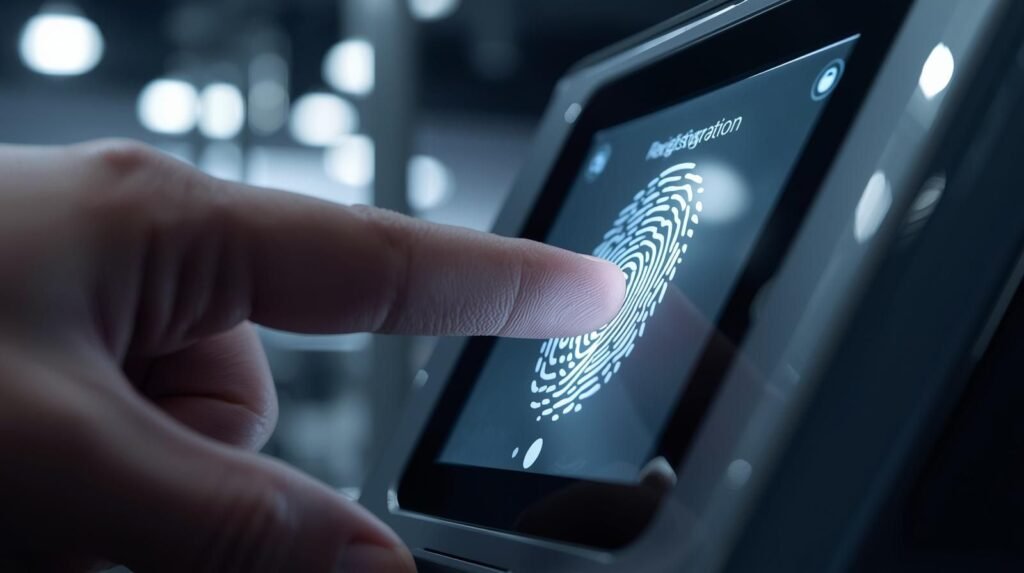
One of the strongest aspects of Pakistan’s SIM database is its integration with NADRA’s biometric verification system. Every SIM card is linked to a valid Computerized National Identity Card (CNIC). This integration ensures that each SIM is traceable to a real, verified individual.
In 2026, biometric systems are faster, more secure, and less prone to errors. Advanced fingerprint recognition and data encryption methods have improved both accuracy and privacy, making identity theft more difficult than ever before.
Legal Framework Governing SIM Data
SIM database operations in Pakistan are governed by multiple laws, including the Pakistan Telecommunication (Re-organization) Act, cybercrime laws, and data protection regulations. These laws define who can access SIM data, under what circumstances, and for what purpose.
Law enforcement agencies may access SIM data only through legal channels and with proper authorization. Unauthorized access, sale, or misuse of SIM information is a punishable offense. In 2026, penalties for data misuse are stricter, reflecting growing concerns about digital privacy.
Public Awareness and User Responsibility
Public awareness has significantly improved regarding SIM ownership rules. Most users now understand that they are legally responsible for any SIM registered under their CNIC. This awareness has reduced the practice of lending or selling SIMs to others.
PTA regularly runs public awareness campaigns, encouraging citizens to:
- Check how many SIMs are registered on their CNIC
- Block unused or unknown SIMs
- Report suspicious activity immediately
These initiatives help citizens protect themselves from fraud and legal complications.
SIM Database and Crime Prevention
One of the biggest benefits of the SIM database is its role in crime prevention and investigation. Criminal activities such as mobile fraud, harassment, extortion, and terrorism-related communication are often traced through SIM records.
In 2026, advanced analytics and AI-assisted monitoring help authorities identify unusual calling patterns and suspect SIM usage while still operating within legal boundaries. This balance between security and privacy is crucial for public trust.
Digital Services and SIM Verification
SIM database verification has also become essential for accessing digital services. Mobile banking, e-wallets, government portals, and online verification systems rely on SIM-to-CNIC matching to authenticate users.
This linkage reduces fraud in financial transactions and ensures that digital services are accessed only by verified individuals. As Pakistan moves further toward a digital economy, the SIM database continues to act as a foundational identity verification tool.
Challenges Faced by the SIM Database System
Despite improvements, the system still faces challenges. Data privacy concerns remain a key issue, especially as cyber threats become more sophisticated. There are also issues related to biometric mismatches, especially for elderly citizens and labor workers with worn fingerprints.
Additionally, misinformation about “online SIM databases” and illegal lookup websites continues to mislead the public. These platforms often claim to provide personal SIM data, but in reality, they operate illegally and pose serious privacy risks.
Future of SIM Database Pakistan Beyond 2026
Looking ahead, Pakistan’s SIM database is expected to integrate further with digital identity systems, e-governance platforms, and smart city initiatives. Technologies such as blockchain and advanced encryption may be introduced to enhance transparency and security.
The focus will increasingly shift toward user-controlled data privacy, allowing citizens greater visibility and control over how their SIM-related information is used. This approach will help build trust while maintaining national security objectives.
Importance of Ethical and Legal Use
The ethical use of SIM database information is as important as its technical strength. Citizens, telecom operators, and authorities all share responsibility in ensuring that SIM data is used only for lawful and beneficial purposes.
By 2026, Pakistan has made significant progress in building a responsible SIM management ecosystem, but continuous improvement, public education, and strict enforcement remain essential to sustain this progress.
Conclusion
The SIM Database Pakistan 2026 is a critical national system aimed at enhancing security, accountability and responsible use of mobile communication. Though there is much misinformation on the subject of SIM databases being spread online, the truth is quite straight and simple: No other way can be used without specific consent from PTA.
Knowing more about the architecture, legislations, and also its significance in public awareness will help citizens to protect themselves, comply with privacy laws and hence achieve a safe digital Pakistan.
Leave a Reply