
Introduction
Fresh SIM data is an increasingly searched term as mobile users look for reliable ways to verify newly activated SIM cards. Whenever someone purchases a new SIM card, it goes through a registration and activation process with the telecom provider. During this process, the network records several details such as the SIM number, registration date, mobile network, and the identity of the registered owner. Accessing fresh SIM data helps users confirm that a SIM card is properly registered and functioning correctly.
Many people search for fresh SIM data when they activate a new SIM and want to check whether the registration is successful. Others may want to verify SIM ownership, confirm the network provider, or ensure the SIM is linked to the correct identification information. In countries where SIM registration requires national identification or biometric verification, checking fresh SIM information becomes even more important for security and fraud prevention.
Another reason for checking fresh SIM data is to avoid misuse of personal identity. Sometimes SIM cards are registered without the owner’s knowledge or used for unauthorized activities. By verifying the details of newly issued SIM cards, users can ensure that their personal information has not been misused.
Telecom companies also maintain secure databases that store SIM registration records. These records help network providers track SIM activity, prevent illegal use, and ensure compliance with telecommunications regulations. Although many websites claim to provide instant SIM details, users should always rely on official telecom services or authorized tools to access fresh SIM data safely.
In this article, we will explore what fresh SIM data means, how SIM registration works, how to verify new SIM information, and the safest ways to check SIM details online. By understanding these methods, users can protect their identity, verify new SIM cards, and ensure their mobile communication remains secure.

1. What It Means?
Fresh SIM Datarefers to the information generated when a new SIM card is activated and registered with a telecom network. Whenever a user purchases a new SIM card from a mobile operator, the SIM goes through a registration process where the telecom provider collects and records important details. These details include the SIM card number, mobile network provider, activation date, and the identification of the person who registered the SIM.
In many countries, SIM registration requires official identification such as a national ID card or passport. This ensures that every SIM card is linked to a verified individual. The data generated during this process is known as fresh SIM data, meaning the most recent and newly registered SIM information stored in the telecom database.
People often search for fresh SIM data when they activate a new SIM and want to confirm whether it is properly registered. It also helps users verify whether their SIM card is active and correctly linked to their identity. In some cases, users may want to check fresh SIM information to confirm that no unauthorized SIM cards have been registered using their identification details.
Telecom companies maintain secure systems where they store this data to ensure network security and prevent illegal activities. Fresh SIM information can help telecom authorities track fraudulent activity, monitor network usage, and protect consumers from identity misuse.
Understanding fresh SIM data is important for mobile users because it helps them ensure that their SIM card is registered correctly and functioning properly. It also helps users detect potential issues with SIM activation or registration errors. By checking SIM details through official telecom services, users can confirm their mobile connectivity and ensure that their personal information is protected.
2. How New SIM Registration Works?
Fresh SIM data is created during the SIM registration process, which is required before a new SIM card becomes active on a telecom network. When someone purchases a SIM card from a mobile operator, they must complete a registration procedure that verifies their identity and links the SIM card to their personal information.
The first step in the registration process is submitting identification documents such as a national ID card or passport. In many countries, telecom authorities require biometric verification, meaning the customer must provide fingerprint or facial recognition data to confirm their identity. This system helps prevent fraud and ensures that SIM cards are issued only to verified individuals.
Once the identity verification is complete, the telecom provider enters the customer’s details into its secure database. At this stage, fresh SIM data is generated, including the SIM card number, registration date, network provider, and customer identity information. This data is stored in the telecom company’s system and can be accessed through authorized services.
After registration, the SIM card is activated and connected to the mobile network. This activation allows the user to make calls, send messages, and use mobile data. Sometimes activation happens immediately, while in other cases it may take several hours depending on the telecom provider.
Checking fresh SIM data after activation is important because it confirms that the registration process was successful. If there are errors in the registration information, the user can contact the telecom provider to correct the details.
Understanding how new SIM registration works helps users ensure their SIM cards are legally registered and properly activated. It also prevents identity misuse and ensures compliance with telecommunications regulations.
3. Why People Search for It?
Fresh SIM data has become a popular search topic because many mobile users want to verify information about newly activated SIM cards. When someone buys a new SIM card, they often want to confirm that it has been properly registered and activated by the telecom provider. Checking fresh SIM information helps ensure that the SIM is functioning correctly.
One of the most common reasons people search for fresh SIM data is to verify SIM ownership. Users want to confirm that the SIM card is registered under their name and identification details. This is particularly important in countries where SIM registration requires official identification or biometric verification.
Another reason people search for fresh SIM information is to avoid identity misuse. Sometimes fraudulent individuals may attempt to register SIM cards using stolen identification documents. By checking SIM registration details, users can ensure that no unknown SIM cards are registered under their identity.
Businesses also search for fresh SIM data when issuing new SIM cards to employees. Companies often want to verify that corporate SIM cards are registered correctly and linked to authorized staff members.
Additionally, some users search for fresh SIM details to confirm the network provider associated with a phone number. This can be helpful when switching networks or verifying whether a SIM card belongs to a particular telecom operator.
In general, the growing interest in fresh SIM data reflects the importance of mobile security and identity protection. By verifying SIM registration information through official channels, users can ensure that their mobile numbers are properly registered and safe from misuse.
4. Checking SIM Registration Details
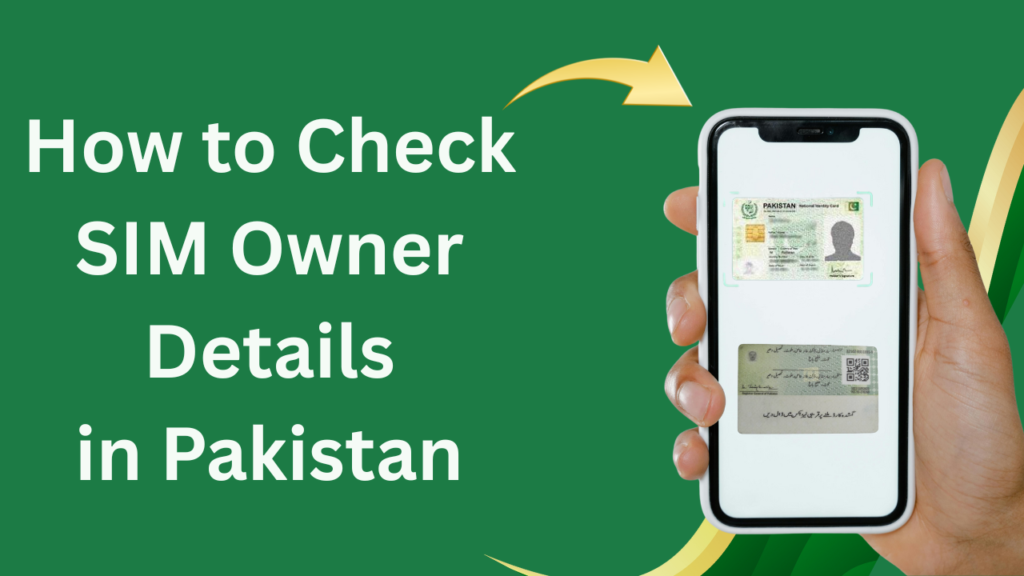
Fresh SIM data can be verified by checking SIM registration details through official telecom services. Most telecom operators provide several methods that allow customers to confirm whether a SIM card has been registered correctly.
One of the easiest ways to check fresh SIM data is through a telecom operator’s official website or mobile app. Many network providers allow users to enter their SIM number or identification number to verify registration information. These systems provide details about the SIM card’s activation status and the number of SIM cards registered under a user’s identity.
Another common method for checking SIM registration is through SMS verification services. In many countries, telecom authorities provide special SMS codes that allow users to send their identification number and receive information about registered SIM cards.
Customer service centers are also helpful for verifying fresh SIM data. If users are unsure about their SIM registration, they can contact their telecom provider’s support team or visit a service center to confirm details. Telecom representatives can access the database and provide accurate information about SIM registration.
Checking SIM registration details is important for protecting personal identity and ensuring network security. If users discover SIM cards registered under their name that they do not recognize, they can request the telecom operator to deactivate those SIM cards.
By regularly verifying fresh SIM data, users can prevent identity misuse, confirm proper SIM activation, and maintain control over their mobile connections. Using official telecom services ensures that the information is accurate and secure.
5. Importance for Mobile Security
Fresh SIM data plays an important role in improving mobile security for users and telecom networks. Every time a new SIM card is activated, the telecom provider records detailed information about the user and the SIM itself. This information helps ensure that the SIM card is linked to a verified identity and can be traced if it is misused.
One of the biggest security benefits of fresh SIM data is preventing fraud. In the past, many SIM cards were sold without proper identification, allowing criminals to use them anonymously. However, modern SIM registration systems require users to provide official identification and sometimes biometric verification. This ensures that every SIM card is associated with a real person.
Checking fresh SIM details also helps users detect unauthorized SIM registrations. Sometimes individuals may unknowingly have multiple SIM cards registered under their name due to identity theft or previous registrations. By verifying fresh SIM information, users can identify such cases and request telecom providers to deactivate unknown SIM cards.
Another security advantage of fresh SIM data is protecting users from scams and suspicious calls. When people receive calls from unknown numbers, they may want to confirm whether the SIM card is recently activated or linked to a legitimate network provider.
Telecom authorities also rely on SIM registration data to monitor illegal activities and ensure compliance with national telecommunications regulations. This data helps authorities track suspicious numbers and prevent misuse of mobile networks.
Overall, verifying fresh SIM data enhances mobile security by ensuring proper registration, preventing identity misuse, and maintaining accountability within telecom networks. For everyday users, checking SIM details through official telecom services is an effective way to protect their identity and maintain safe communication.
6. Using Telecom Operator Tools
Fresh SIM data can easily be verified using tools provided by telecom operators. Mobile network companies understand that customers want to confirm the details of their newly activated SIM cards, so they offer several official methods to check SIM registration and activation status.
Most telecom operators provide online portals or mobile apps where users can log in and verify their SIM information. These platforms allow customers to view the number of SIM cards registered under their identity, the activation date of each SIM, and the associated mobile network. These tools are designed to provide secure access to SIM information while protecting user privacy.
Another popular method for checking fresh SIM data is through SMS verification services. Telecom providers often provide a specific code that users can send via SMS along with their identification number. Within a few seconds, the system responds with information about the SIM cards registered under that ID.
Customer service centers also play an important role in verifying SIM data. If users encounter problems with SIM activation or registration, they can visit a telecom service center where staff can access the network database and confirm details directly.
Using telecom operator tools ensures that the fresh SIM data obtained is accurate and reliable. These official systems are maintained by the telecom provider and comply with government regulations regarding privacy and security.
It is important to avoid third-party websites that claim to provide instant SIM details because they may not have access to official telecom databases. By using authorized telecom tools, users can safely verify SIM information and ensure that their mobile services are properly registered and activated.
7. Identifying theNetwork Provider
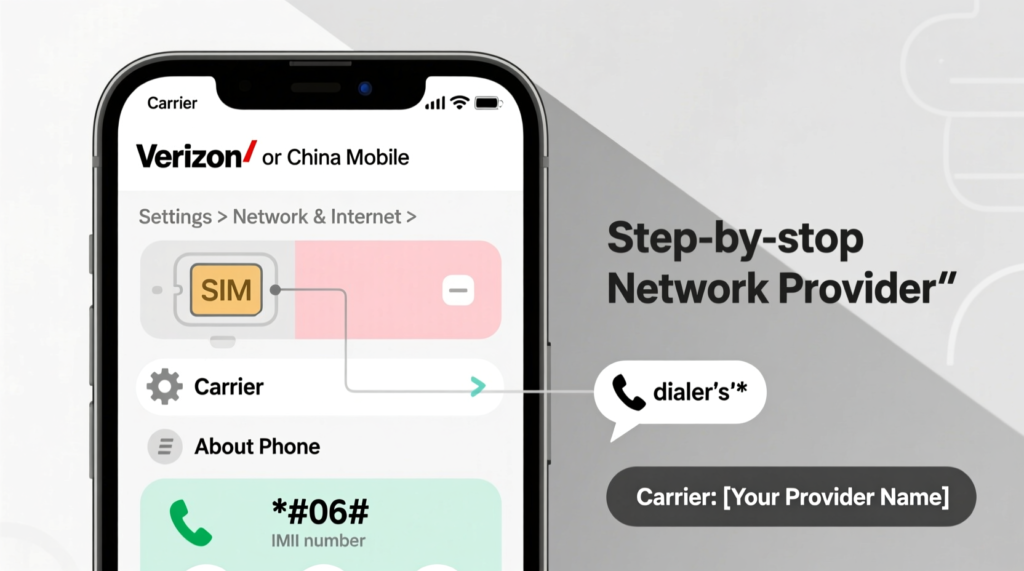
Fresh SIM data can help users identify the network provider associated with a newly activated SIM card. Every SIM card belongs to a specific telecom operator, and knowing which network provider is connected to a number can be helpful for various reasons.
When a new SIM card is activated, the telecom company records the SIM number along with its associated network. This information becomes part of the fresh SIM data stored in the telecom provider’s database. By checking this data through official services, users can confirm which mobile network their SIM card belongs to.
Identifying the network provider is useful when switching between telecom companies or verifying the origin of a phone number. For example, if someone receives calls from an unknown number, they may want to check the network provider to determine whether it belongs to a specific telecom operator.
Businesses also benefit from identifying network providers when managing multiple SIM cards for employees. Knowing which network each SIM belongs to helps companies manage communication costs and optimize mobile plans.
Another advantage of verifying fresh SIM data is confirming that the SIM card purchased from a retailer actually belongs to the intended telecom network. In rare cases, incorrect activation or technical issues may cause confusion about the network provider.
Telecom operators often provide simple tools or customer support services that allow users to verify network information. These services ensure that users receive accurate data without compromising privacy.
Overall, identifying the network provider through fresh SIM data helps users confirm SIM authenticity, manage mobile plans effectively, and understand the telecom network associated with their phone numbers.
8. Avoiding Fake SIM Lookup Websites
Fresh SIM data is often searched online, but users must be careful when choosing websites that claim to provide SIM information. Many websites advertise instant access to SIM owner details or registration information, but not all of them are reliable or legitimate.
Fake SIM lookup websites often promise quick results by asking users to enter a phone number or personal identification details. However, most of these websites do not have access to official telecom databases. Instead, they may display inaccurate information or collect personal data for fraudulent purposes.
One of the biggest risks of using such websites is identity theft. When users provide their personal details, such as phone numbers or identification numbers, these details can be misused by scammers. Some websites may also attempt to install malicious software or redirect users to suspicious pages.
The safest way to check fresh SIM data is through official telecom services. Mobile network operators provide verified tools, SMS codes, and customer support systems that allow users to confirm SIM registration details securely.
Users should also look for warning signs when visiting websites claiming to provide SIM data. Poor website design, requests for payment, or excessive advertisements may indicate that the site is not trustworthy.
By relying on official telecom services and avoiding suspicious websites, users can protect their personal information and ensure that the fresh SIM data they access is accurate and secure. Staying cautious online helps prevent scams and protects users from unnecessary risks when verifying SIM information.
9. Verifying SIM Ownership Safely
Fresh SIM data can help users verify SIM ownership safely and confirm that a mobile number is registered under the correct identity. Since SIM cards are often linked to personal identification documents, verifying ownership ensures that the SIM is legally registered and not being misused.
One of the safest ways to verify SIM ownership is through official telecom operator services. Many network providers offer online portals or SMS verification systems that allow users to check SIM registration details. These services usually require the user to provide their identification number or SIM number to retrieve relevant information.
Customer service centers also provide assistance for verifying fresh SIM data. Users who have questions about SIM ownership can visit a telecom service center where staff members can check the registration details in the telecom database.
Verifying SIM ownership is particularly important for people who purchase second-hand mobile phones or SIM cards from retailers. Checking fresh SIM information ensures that the SIM is not linked to another person’s identity or involved in suspicious activity.
Businesses also verify SIM ownership when issuing mobile numbers to employees. Ensuring that company SIM cards are properly registered helps organizations maintain accountability and manage corporate communication effectively.
It is important to avoid using unauthorized tools or websites for SIM verification because they may provide incorrect information or compromise privacy. Instead, users should rely on official telecom services that follow government regulations and data protection policies.
By verifying fresh SIM data safely, users can ensure that their SIM cards are registered correctly, protect their identity from misuse, and maintain secure mobile communication.
10. Checking SIM Activation Status
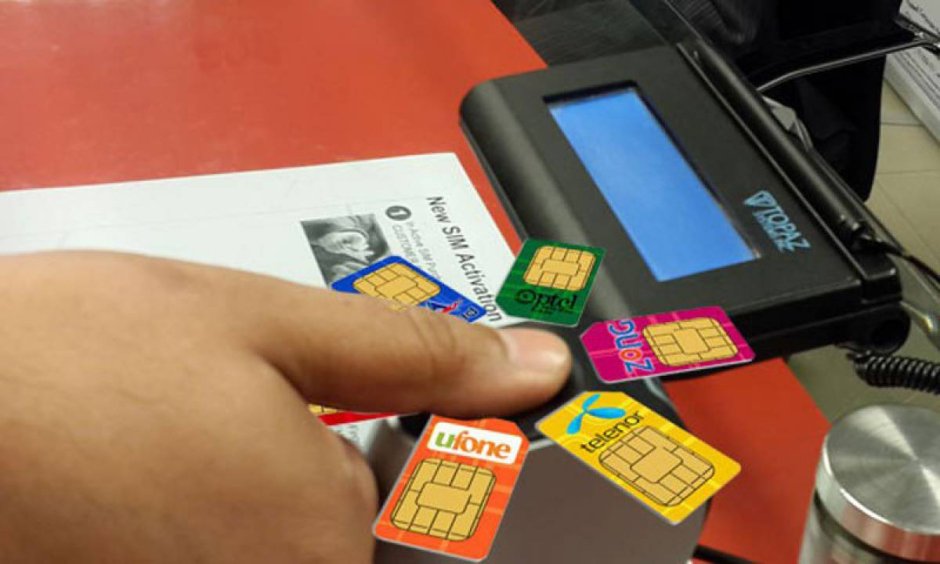
Fresh SIM data also includes information about whether a SIM card has been successfully activated. When a new SIM card is purchased, it usually needs to go through an activation process before it can be used for calls, messages, or internet services.
The activation process begins when the SIM card is registered with the telecom provider. After registration, the telecom network verifies the information and activates the SIM card so that it can connect to the network. This process may take a few minutes or several hours depending on the telecom provider.
Checking fresh SIM data helps users confirm that their SIM card is active and ready to use. One of the easiest ways to check activation status is by inserting the SIM card into a mobile phone and attempting to make a call or send a message. If the SIM is active, the phone will connect to the network.
Telecom operators also provide official tools for checking SIM activation status. Users can log in to their telecom account, send an SMS verification code, or contact customer service to confirm whether their SIM card is active.
Sometimes SIM activation may be delayed due to technical issues or incomplete registration information. In such cases, users should contact their telecom provider to resolve the issue and ensure that their fresh SIM data is updated correctly.
Confirming SIM activation is important because it ensures that the SIM card is functioning properly and linked to the correct registration information. By verifying activation status, users can avoid communication problems and ensure reliable mobile service.
11. Role of Biometric SIM Registration
Fresh SIM data is closely connected with biometric SIM registration systems that many telecom authorities have introduced to improve security and prevent misuse of mobile services. Biometric verification means that a person must confirm their identity using unique biological features such as fingerprints or facial recognition when registering a new SIM card.
When a customer purchases a SIM card, the telecom operator collects their identification information and verifies it through a biometric system. Once the verification is successful, the telecom provider records the details in its database. At this stage, fresh SIM data is generated and stored as official SIM registration information.
The use of biometric systems helps ensure that each SIM card is linked to a verified individual. This reduces the chances of fraud, illegal SIM use, and identity theft. Without biometric verification, people could easily register SIM cards using fake or stolen identity documents.
Another benefit of biometric registration is improved telecom network security. Governments and telecom authorities can track suspicious numbers more effectively because every SIM card is connected to a confirmed identity. This helps prevent criminal activities that rely on anonymous mobile communication.
For users, verifying fresh SIM data after biometric registration provides peace of mind. It confirms that the SIM card is correctly linked to their identity and activated within the telecom system.
Although biometric registration improves security, telecom providers must also ensure that personal data is protected and stored securely. Data protection policies and privacy laws help ensure that biometric information is not misused.
Overall, biometric verification has become an important part of modern SIM registration systems. It strengthens mobile network security and ensures that fresh SIM data remains accurate, reliable, and connected to verified individuals.
12. SIM Registration Rules and Regulations
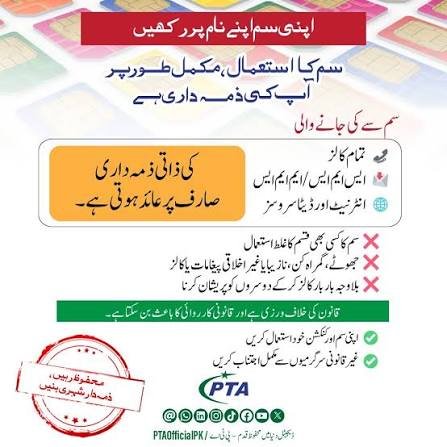
Fresh SIM data is created according to SIM registration rules and regulations set by national telecom authorities. These regulations ensure that every SIM card issued by a telecom operator is properly registered and linked to a verified user.
Most countries require mobile users to provide valid identification when purchasing a SIM card. This identification may include a national ID card, passport, or other government-issued document. The telecom provider records this information during the registration process and stores it as part of the fresh SIM data in its database.
The main purpose of SIM registration regulations is to prevent illegal activities and ensure accountability in mobile communication. By linking SIM cards to verified identities, telecom authorities can track suspicious numbers and take action if necessary.
Many countries also limit the number of SIM cards that can be registered under a single identity. This rule helps prevent people from registering large numbers of SIM cards for fraudulent purposes. If someone exceeds the allowed limit, the telecom provider may block additional SIM registrations until the issue is resolved.
Another important regulation involves data protection. Telecom operators must follow strict privacy policies to ensure that fresh SIM data is stored securely and not shared with unauthorized parties. Access to SIM registration information is usually limited to telecom authorities and authorized service providers.
Users should always follow official procedures when purchasing or activating SIM cards. Buying SIM cards from authorized retailers and verifying registration details helps ensure that the SIM is properly recorded in the telecom system.
Understanding SIM registration rules helps users appreciate the importance of fresh SIM data and the role it plays in maintaining secure and responsible mobile communication. Proper registration protects both users and telecom networks from misuse and fraud.
Leave a Reply