INFORMATION:
In today’s digital era, mobile communication has become a necessity. Whether it is making calls and sending SMS or using mobile internet and digital payments, almost everything is dependent on a small but powerful component called the SIM card. Behind every SIM card is a complex system called the SIM Information System (SIS).
SIM Information System is not only about storing a phone number. It is a database and management system used by telecom operators and regulatory bodies to store, verify, monitor, and manage subscriber information. With the increasing number of fraud cases, identity theft, cyber crimes, and misuse of SIM cards, the need for SIM Information Systems has become more important than ever.
This article will give you a complete and clear understanding of SIM Information Systems, including its definition, components, working process, importance, advantages, disadvantages, legal issues, and future scope.
What is a SIM Information System?
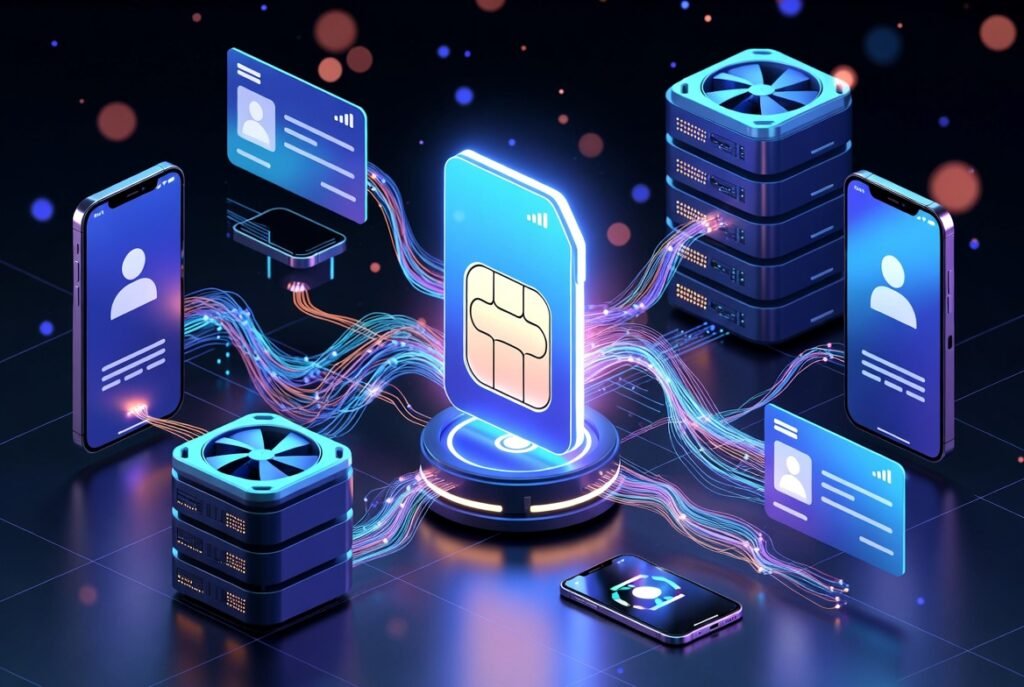
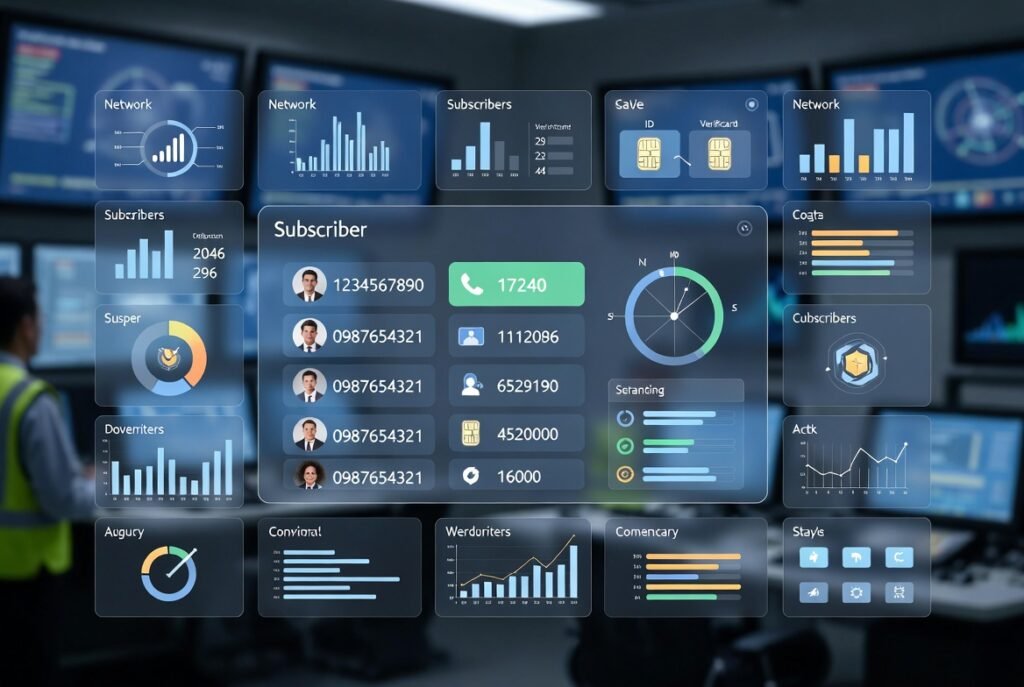
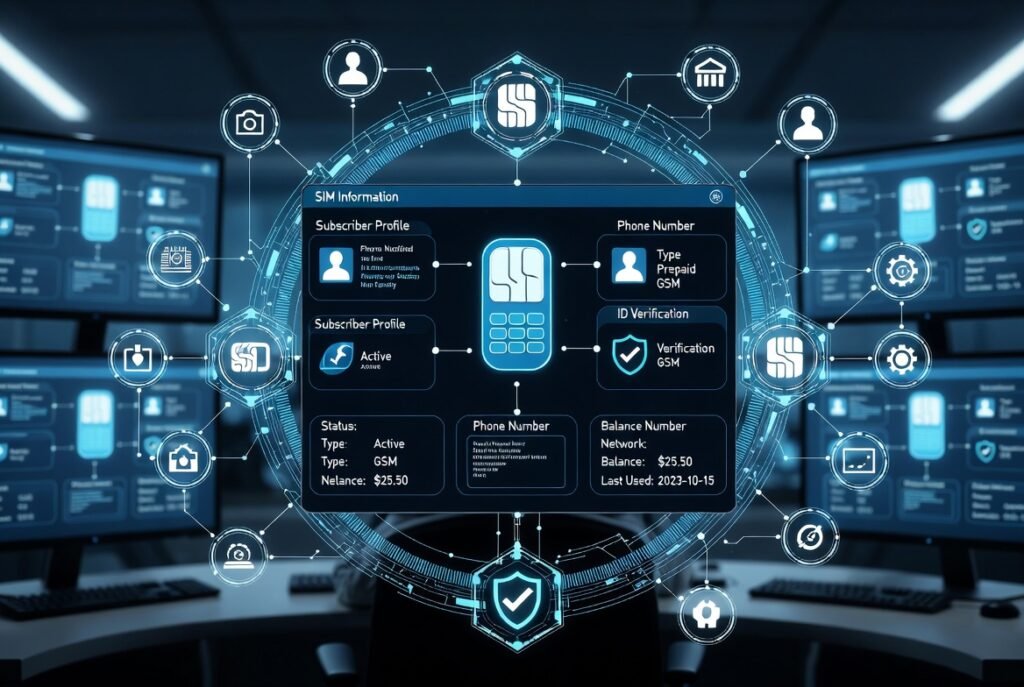
A SIM Information System (SIS) is a digital system that stores and organizes data for SIM card users. Some of the data that is usually stored in the system includes:
- Subscriber’s name
- National ID or passport information
- Biometric information (in some countries)
- Mobile number (MSISDN)
- Network operator information
- SIM activation and deactivation information
- SIM number (ICCID)
The primary function of a SIM Information System is to promote transparency, security, and accountability in mobile communication networks.
Telecom regulatory bodies employ SIS to control SIM distribution, while network operators employ it to organize customer information.
Evolution of SIM Information Systems
At first, SIM cards were distributed without much verification. Customers could purchase SIM cards without much hassle, without necessarily needing to prove their identity. This posed the following challenges:
- Anonymous communication
- Use of SIM cards for criminal activities
- Tracking of illegal activities
Implementation of Digital SIM Databases
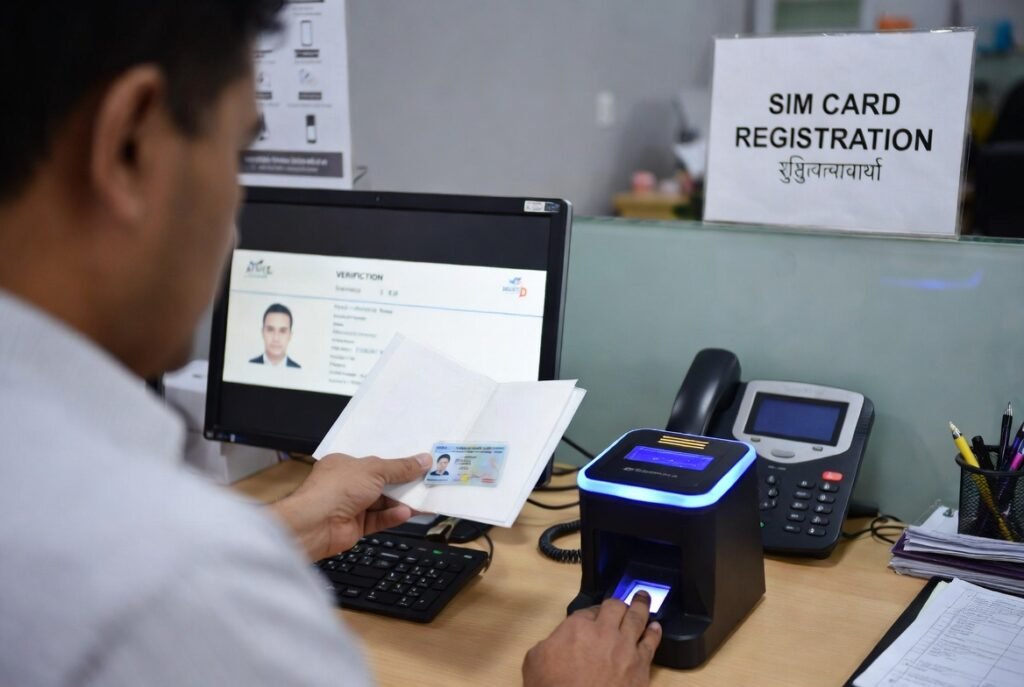
To address the above challenges, governments and telecommunication authorities implemented SIM card databases. These databases associated SIM cards with identity documents that had been verified.
Biometric SIM Verification
Currently, SIM Information Systems in many countries have implemented biometric verification, such as fingerprints or facial recognition.
Key Components of a SIM Information System
A SIM Information System consists of several interconnected components:
1. Subscriber Database
This is the core of the system. It stores personal and identification data of all SIM users.
2. SIM Registration Module
This module involves the registration of new SIM cards, ensuring that all the required documents and processes are completed before the activation of the new SIM card.
3. Verification System
- It verifies subscriber identity using:
- National ID databases
- Biometric systems
- Passport or residency records
- 4. Network Operator Interface
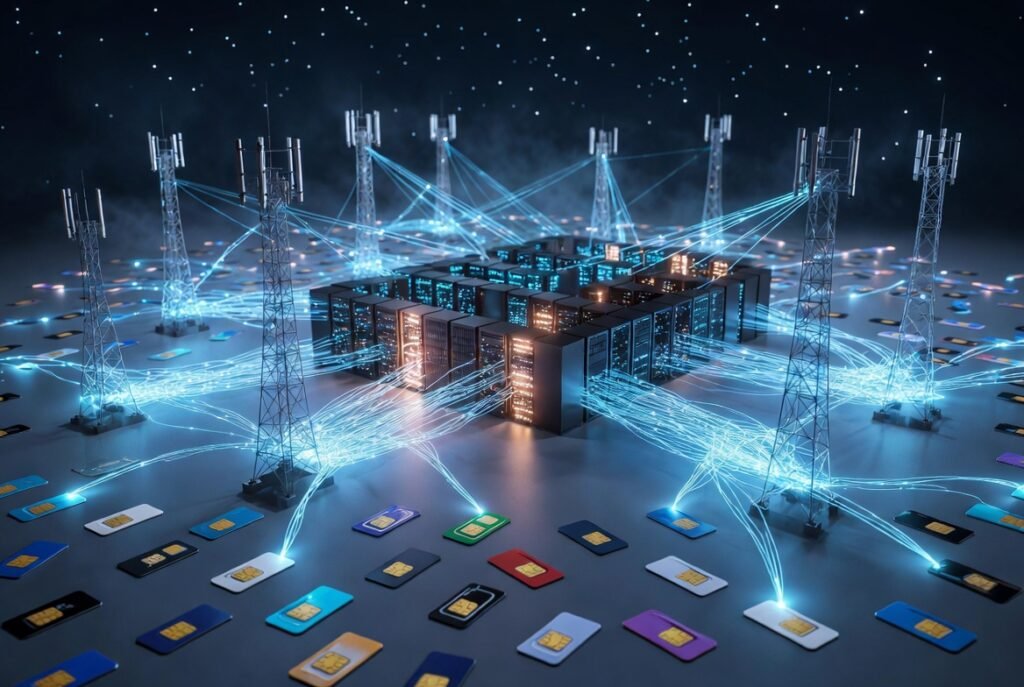
Telecom operators can access the SIS via secure interfaces to:
- Activate or Deactivate SIMs
- Update customer information
- Monitor SIM usage
5. Regulatory Authority Dashboard
Government agencies can use this dashboard to:
- Monitor SIM issuance
- Track suspicious activities
- Enforce telecom regulations
6. Security and Encryption Layer
It safeguards the sensitive data of the subscribers from cyber attacks and unauthorized access.
How a SIM Information System Works
The process of working with a SIM Information System can be described in the following steps:
Step 1: SIM Purchase
The customer acquires a SIM card through purchase from either an official dealer or a telecommunications retail location.
Step 2: Identity Submission
The customer submits:
National ID/Passport
Biometric data (if necessary)
Step 3: Data Entry
The dealer or telecom operator enters the customer’s information into the SIM Information System.
Step 4: Verification
The SIM Information System uses national databases to validate the information.
Step 5: SIM Activation
The SIM card becomes operational after identity verification and links to the customer’s account for future use.
Step 6: Monitoring & Updates
The SIM Information System maintains records of all future changes which include SIM card replacement and transfer and deactivation.
Importance of SIM Information Systems
1. Enhancing National Security
The law enforcement agencies can track criminal activities through the combined use of verified identities and SIM card registration.
2. Preventing Fraud and Scams
The security of SIM-related fraud and fake calls and SMS scams will experience substantial improvement.
3. Controlling Illegal SIM Usage
The system can detect and disable unregistered or unauthorized SIM cards.
4. Improving Telecom Services
The telecom industry uses precise subscriber information to enhance customer service and develop customized solutions.
5. Supporting Digital Governance
The SIM databases function as the foundation for e-government services and digital payment systems and online verification processes.
SIM Information System and Law Enforcement
Law enforcement agencies depend on SIM Information Systems as vital operational resources. The systems enable law enforcement to:
Trace phone numbers associated with suspicious activities.
Determine who possesses SIM cards during criminal investigations.
Authorities track digital communications connected to cybercrime and terrorism activities.
The system functions to protect people from having their identity information stolen.
Law enforcement agencies face challenges when they attempt to obtain SIM data because severe laws exist to safeguard users’ private information.
Legal and Regulatory Framework
SIM Registration Laws
Most countries have established legal requirements that demand:
All SIM users must register their SIM cards.
Single users may possess only restricted quantities of SIM cards.
Users must validate their information at scheduled intervals.
Data protection laws
SIM Information Systems must follow data protection regulations which require them to protect
User information
Data must be safeguarded through secure storage measures.
Access to confidential data should be restricted.
Penalties
Penalties for SIM data misuse include registration fraud and unauthorized use of SIM data
The consequences for the violations include
The imposition of substantial monetary penalties.
The termination of SIM services.
The initiation of criminal proceedings.
Benefits of a SIM Information System
For Governments
- Improved national security
- Better crime tracking
- Strong telecom regulation
For Telecom Operators
- Accurate customer data
- Reduced fraud losses
- Improved customer trust
For Consumers
- Protection against identity theft
- Safer communication
- Reliable mobile services
Challenges Faced by SIM Information Systems
Despite their importance, SIM Information Systems face several challenges:
1. Data Privacy Concerns
Users often worry about misuse or leakage of personal data.
2. Cybersecurity Risks
Centralized databases are attractive targets for hackers.
3. Technical Issues
System downtime or errors can delay SIM activation.
4. Fake or Fraudulent Registrations
In some cases, retailers misuse identity documents.
5. Cost and Infrastructure
Implementing and maintaining SIS requires significant investment.
Role of SIM Information Systems in the Digital Economy
SIM Information Systems supports many digital services, including:
- Mobile banking
- E-wallets
- Two-factor authentication (2FA)
- Online identity verification
Without accurate SIM data, many digital platforms would struggle to operate securely.
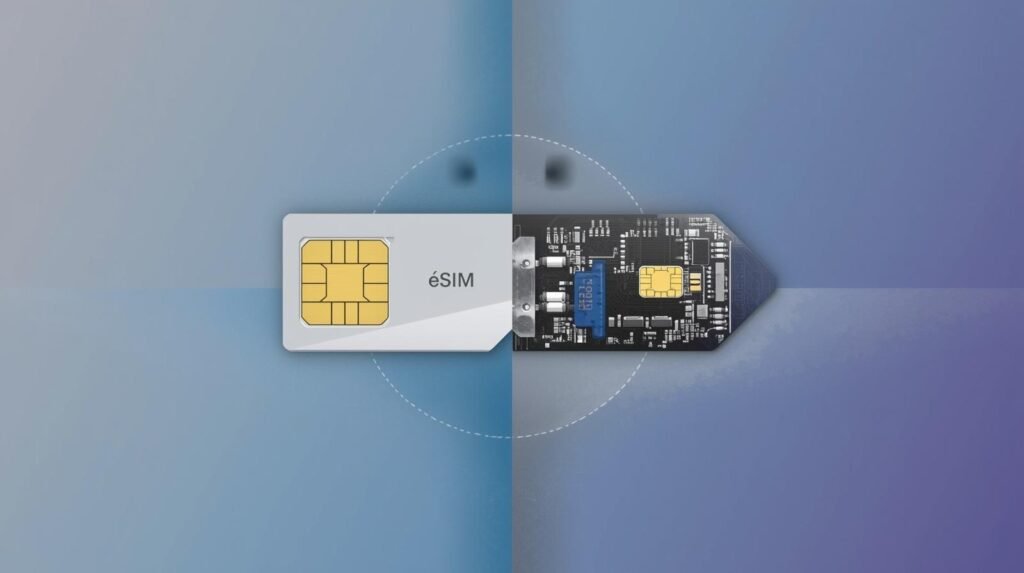
SIM Information System vs eSIM Technology
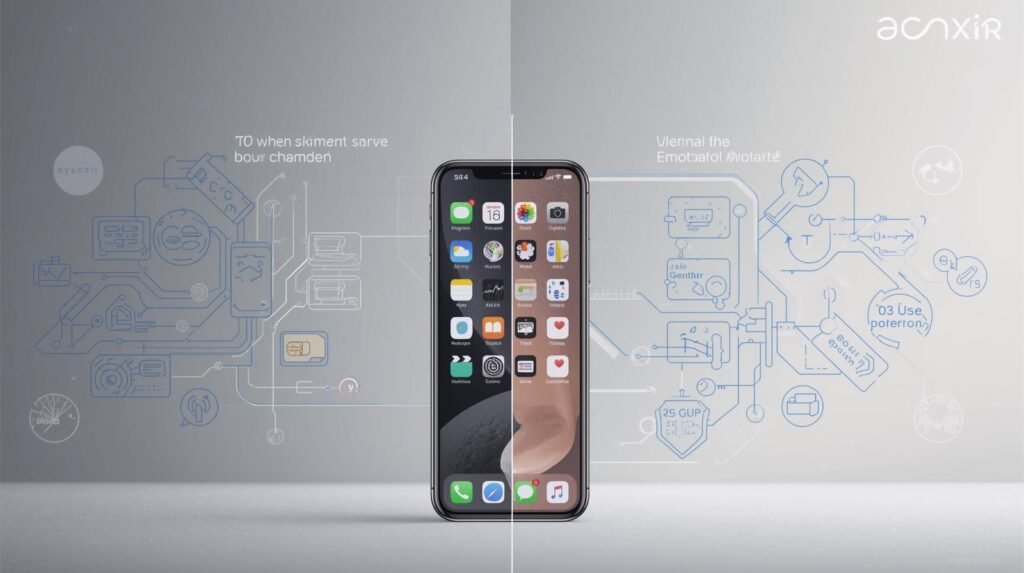
Traditional SIM
- Physical card
- Needs manual replacement
- Limited flexibility
eSIM
- Embedded in the device
- Remote activation
- Faster switching between networks
SIM Information Systems are evolving to support eSIM management, ensuring proper identity linkage even without physical SIM cards.
Future of SIM Information Systems
The future of SIM Information Systems looks promising and technology-driven.
1. AI & Machine Learning
AI can detect unusual SIM usage patterns and prevent fraud automatically.
2. Blockchain Technology
Blockchain can enhance transparency and data security in SIM records.
3. Integration with Digital IDs
SIM systems may integrate directly with national digital identity platforms.
4. Global SIM Databases
International cooperation may lead to cross-border SIM verification systems.
5. Stronger Privacy Controls
Future systems will focus more on user consent and data minimization.
Best Practices for Users
As a SIM user, you should:
- Register SIMs only on your own ID
- Avoid sharing personal information
- Regularly check how many SIMs are registered in your name
- Report lost or stolen SIMs immediately
CONCLUSION
The SIM Information System (SIS) has become a foundational pillar of modern telecommunication infrastructure, quietly enabling secure and reliable mobile communication across the world. As mobile phones have evolved from simple calling devices into essential tools for banking, governance, education, and digital identity, the systems that manage SIM cards have taken on a far greater responsibility. The SIM Information System ensures that this vast network of connectivity remains secure, transparent, and well-regulated.
By linking SIM cards to verified subscriber identities, SIM Information Systems play a critical role in protecting national security and reducing criminal misuse of mobile networks. Illegal SIM usage, identity fraud, financial scams, and anonymous communication pose serious threats in today’s digital age. SIS helps authorities and telecom operators detect, prevent, and investigate such activities while maintaining accountability within the telecom ecosystem. At the same time, strong regulatory frameworks and data protection laws ensure that user information is handled responsibly, balancing security needs with privacy rights.
Beyond security, SIM Information Systems are central to the growth of digital services and the digital economy. Mobile banking, e-wallets, two-factor authentication, and online verification systems all depend on accurate and verified SIM data. Without a robust SIM Information System, these services would face higher risks of fraud and operational failure. For consumers, this means safer transactions, improved service reliability, and greater trust in mobile-based platforms that are now deeply embedded in daily life.
As technology continues to advance, SIM Information Systems are also evolving. The rise of eSIM technology, artificial intelligence, and blockchain is reshaping how subscriber identities are managed. Future SIM Information Systems are expected to become smarter and more automated, capable of detecting suspicious behavior in real time, reducing human error, and enhancing cybersecurity. Integration with national digital identity systems will further strengthen verification processes, making identity management more seamless and efficient across platforms and borders.
Understanding how SIM Information Systems work is no longer limited to telecom professionals or regulators. Everyday users benefit from being aware of how their
SIMs are registered, how their data is protected, and why proper SIM verification matters. Responsible usage—such as registering SIMs on one’s own identity and reporting misuse—contributes to a safer and more trustworthy communication environment for everyone.
In a world increasingly driven by connectivity, data, and digital interaction, the SIM Information System stands as a silent guardian. It works behind the scenes to protect identities, secure communication channels, and support the digital future. As mobile technology continues to shape how societies function, the importance of strong, transparent, and secure SIM Information Systems will only continue to grow.
Leave a Reply